Antioxidants have become part of the vocabulary of modern beauty. Yet a familiar scientific term does not automatically translate into a proven benefit from a supplement. Glutathione is a useful example: it has a well-established role inside the human body, while claims about taking it for a brighter or younger-looking complexion require considerably more care.
Glutathione: a compound the body makes
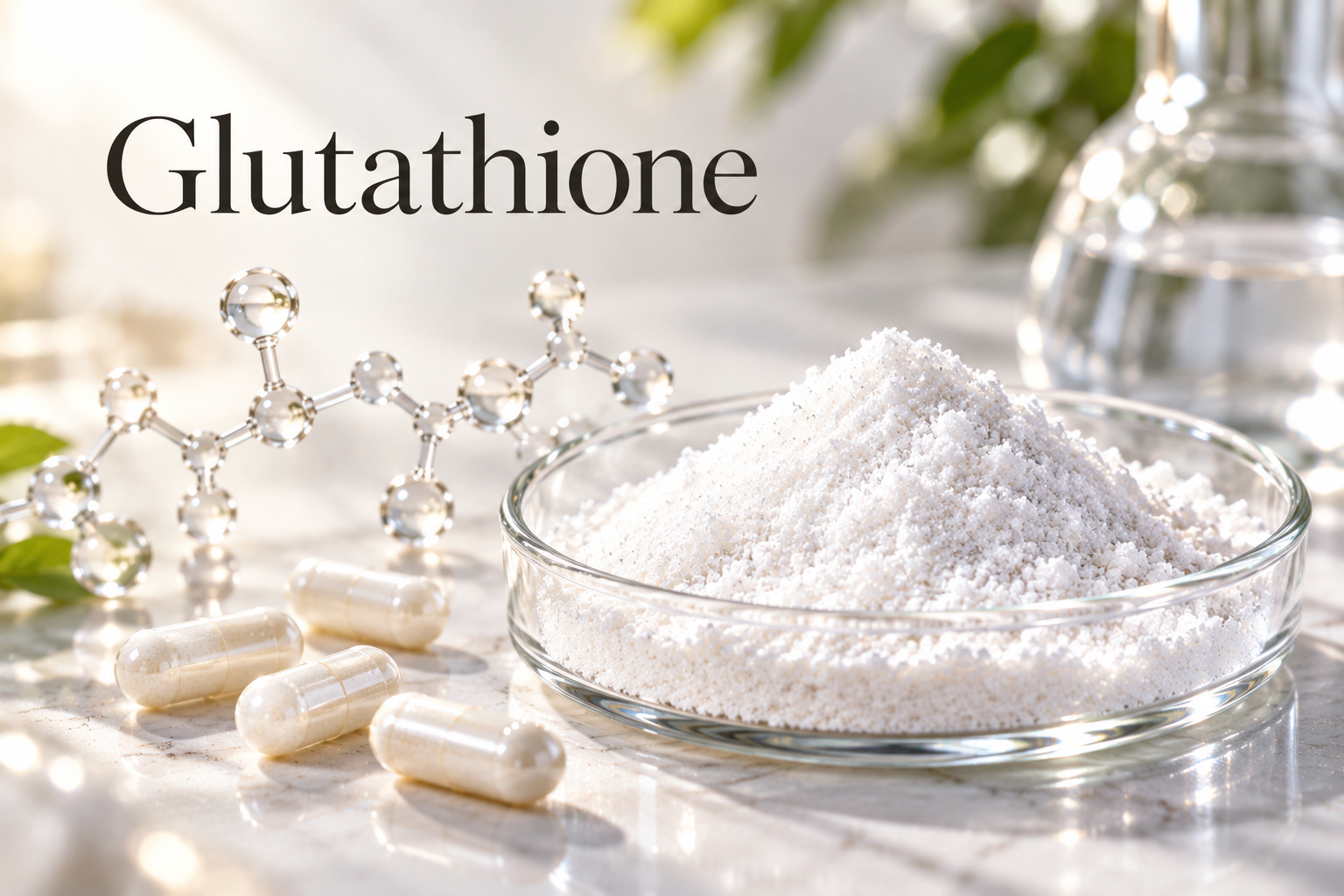
Glutathione is a small molecule made from three amino acids: glutamate, cysteine and glycine. It is naturally present in human cells and participates in the biochemical processes that maintain cellular redox balance. Scientists study glutathione because this balance matters across many tissues, not because every glutathione supplement has been shown to change the appearance of skin. [1]
An important distinction is between the functions of a substance in the body and the effects demonstrated when that substance is taken orally. They are different questions, and evidence for one is not proof of the other.
Where skin and oxidative stress meet
Skin is exposed to everyday influences including ultraviolet radiation and environmental conditions. Researchers discuss oxidative stress in relation to skin biology, but skin appearance also reflects genetics, age, sleep, nutrition and skincare practices. It would therefore be misleading to suggest that one ingredient can independently control how skin ages.
Published reviews examine glutathione in dermatology, including small clinical studies and different routes of administration. Their findings are not a basis for claiming that a particular food supplement whitens skin, reverses ageing or treats a skin condition. Studies can differ in design, dose, duration and measured outcomes. [2]
What does “antioxidant” mean on a UK supplement website?
There is also a regulatory distinction. Under the UK advertising rules for food supplements, “antioxidant” can itself function as a health claim. It is not enough for an ingredient to have antioxidant activity in a laboratory: advertising claims must be authorised for the relevant nutrient and meet the conditions for use. The UK Advertising Standards Authority specifically warns against unsupported antioxidant and skincare claims. [3][4]
For this reason, we believe a credible brand should explain the science without turning an interesting mechanism into a promise of visible results.
A considered approach to beauty and nutrition
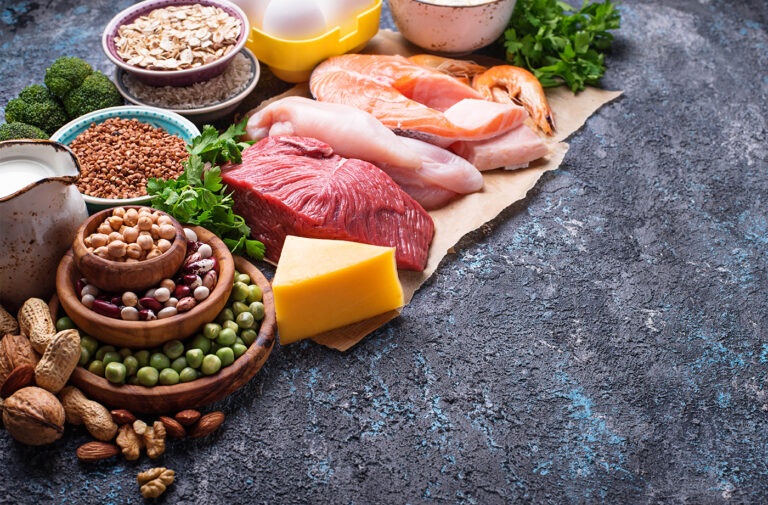
A balanced diet, sufficient sleep and everyday sun protection remain sensible foundations for skin-related wellbeing. The NHS Eatwell Guide recommends dietary variety, including fruit and vegetables, protein foods, wholegrains and appropriate hydration. These practical habits offer a better starting point than the search for a single miracle ingredient. [5]
If you are considering a supplement, read its complete ingredient list, directions and warnings. Check what the manufacturer actually states, rather than inferring a benefit from an appealing scientific phrase.
The Royal Vantis perspective
Royal Vantis Glutathione GlycoGlow™ brings glutathione into a carefully presented supplement collection. The presence of glutathione is a statement about the formulation, not a claim that the finished product has been clinically proven to brighten skin or prevent ageing. We prefer thoughtful selection, clear information and realistic expectations to exaggerated promises.