
Midlife can bring a change in priorities, and for many women it is a moment to think more deliberately about nutrition. Conversations about perimenopause and menopause are now more open, but they can also be crowded with supplements promising to solve every symptom. A more useful starting point is to understand the foundations of health and the limits of any individual product.
Start with the everyday essentials
The NHS advises people experiencing perimenopause or menopause to eat a healthy, balanced diet, exercise regularly, allow time for rest and look after mental wellbeing. It recommends calcium-rich foods and weight-bearing exercise as practical ways to support bone health. [1]
The Eatwell Guide provides a flexible way to think about meals across the week: fruit and vegetables, higher-fibre starchy foods, sources of protein, dairy or fortified alternatives, and unsaturated oils in modest quantities. No single meal has to be perfect for the overall pattern to be valuable. [2]
Calcium, vitamin D and bone health
Bone health deserves particular attention during and after menopause. Calcium is an important part of maintaining bones, and vitamin D helps the body absorb calcium. Foods such as yoghurt, milk, calcium-fortified alternatives and some leafy greens can contribute calcium, while dietary sources of vitamin D include oily fish, egg yolks and fortified foods. [3]
In the UK, the NHS advises everyone to consider taking a daily supplement containing 10 micrograms of vitamin D during autumn and winter. Individual requirements may differ, so people with medical conditions or concerns about their intake should seek professional advice. [4]
Protein, movement and maintaining strength
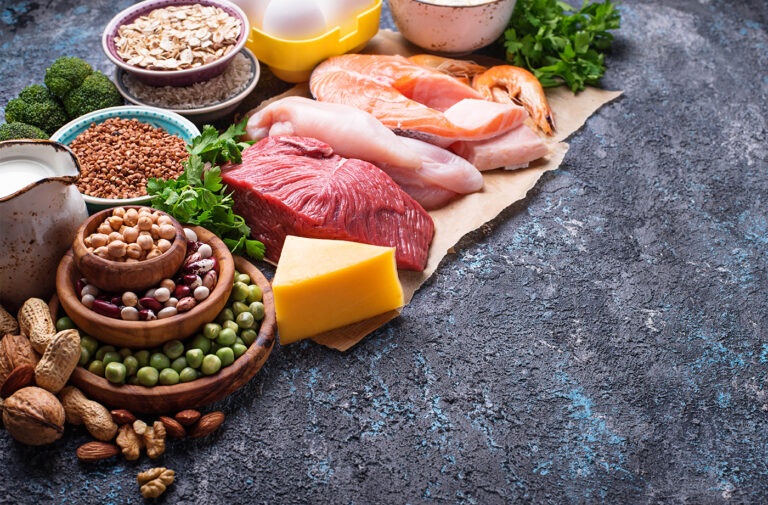
Midlife nutrition also sits alongside movement. Regular activity, including resistance and weight-bearing exercise, can help maintain strength and protect bone health. Protein-containing foods such as beans, lentils, eggs, fish, lean meat and dairy or alternatives can be incorporated across meals. [1][2]
Rather than chasing complicated regimes, many people benefit from routines that remain realistic: regular meals, consistent activity and enough time for sleep and recovery.
How should we think about botanicals?
Ingredients such as soy isoflavones, red clover, sage and ashwagandha are often mentioned in women’s wellbeing products. Being widely discussed or traditionally used does not, on its own, demonstrate that a particular supplement treats menopausal symptoms or balances hormones.
The NHS advises speaking to a doctor before taking herbal supplements or complementary medicines during menopause. This is particularly relevant for anyone taking prescription medicines, living with a health condition or seeking relief from symptoms that affect everyday life. [1]
When professional advice matters
Persistent or troublesome symptoms deserve personalised medical guidance. Supplements are not substitutes for diagnosis, treatment or discussions about evidence-based options with a GP or other qualified clinician. A person’s needs can change, and nutritional advice should account for their medical history and circumstances.
The Royal Vantis perspective
Her Balance™ brings a selection of botanicals into the Royal Vantis range. This article explores wider midlife nutrition; it does not claim that Her Balance™ corrects hormone levels, relieves menopause symptoms or prevents disease. Our focus is on clear information and measured communication, so that each reader can make informed choices.